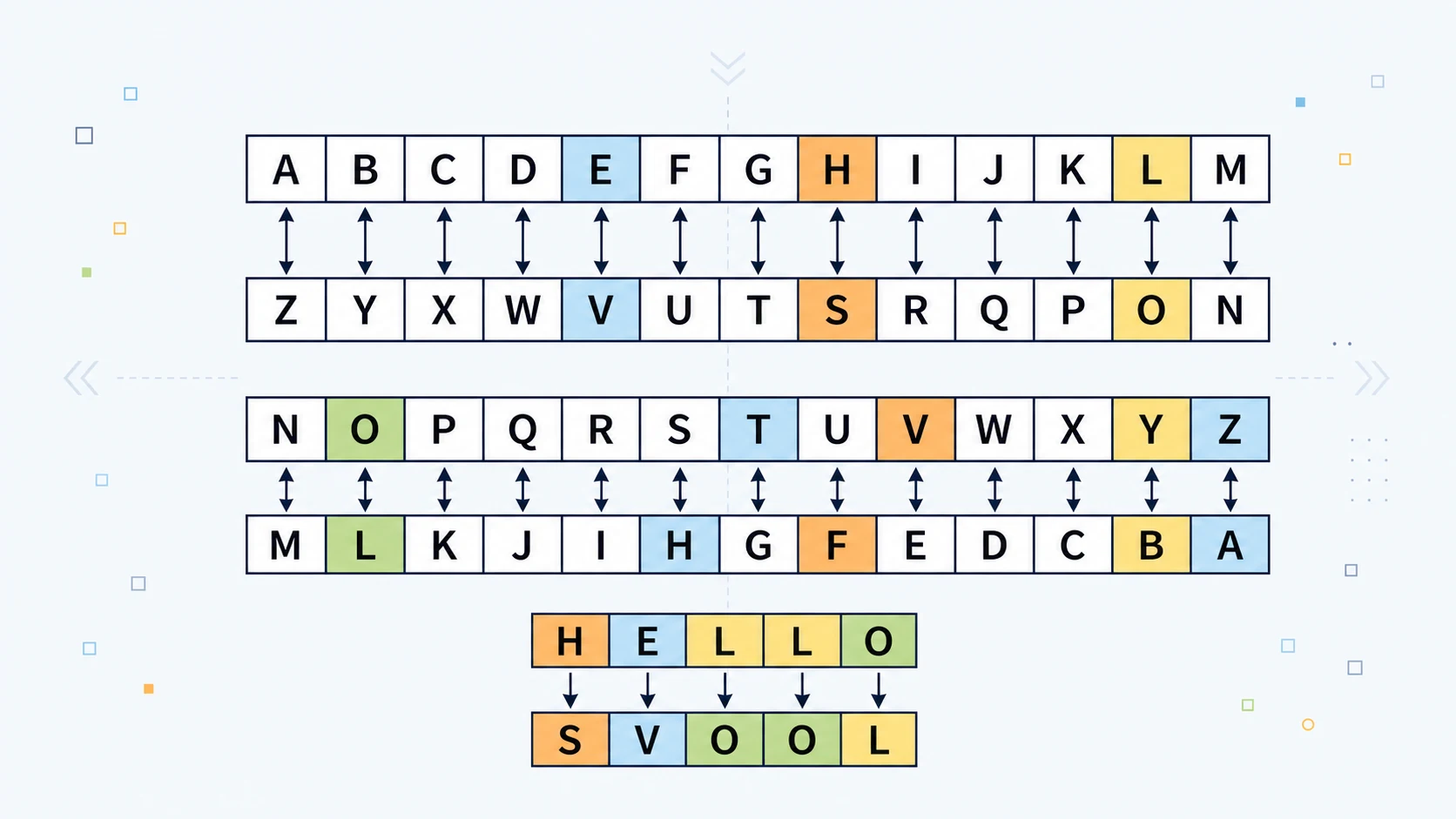

Caesar Cipher: A Secret in Plain Sight
Why the world's easiest cipher to break is still the perfect place to start learning.
From classical shifts and reciprocal rotations to Base32, Morse code, and frequency analysis, read clear guides on the history, logic, mathematics, and weaknesses behind ciphers, encodings, and signalling systems.
Why the world's easiest cipher to break is still the perfect place to start learning.
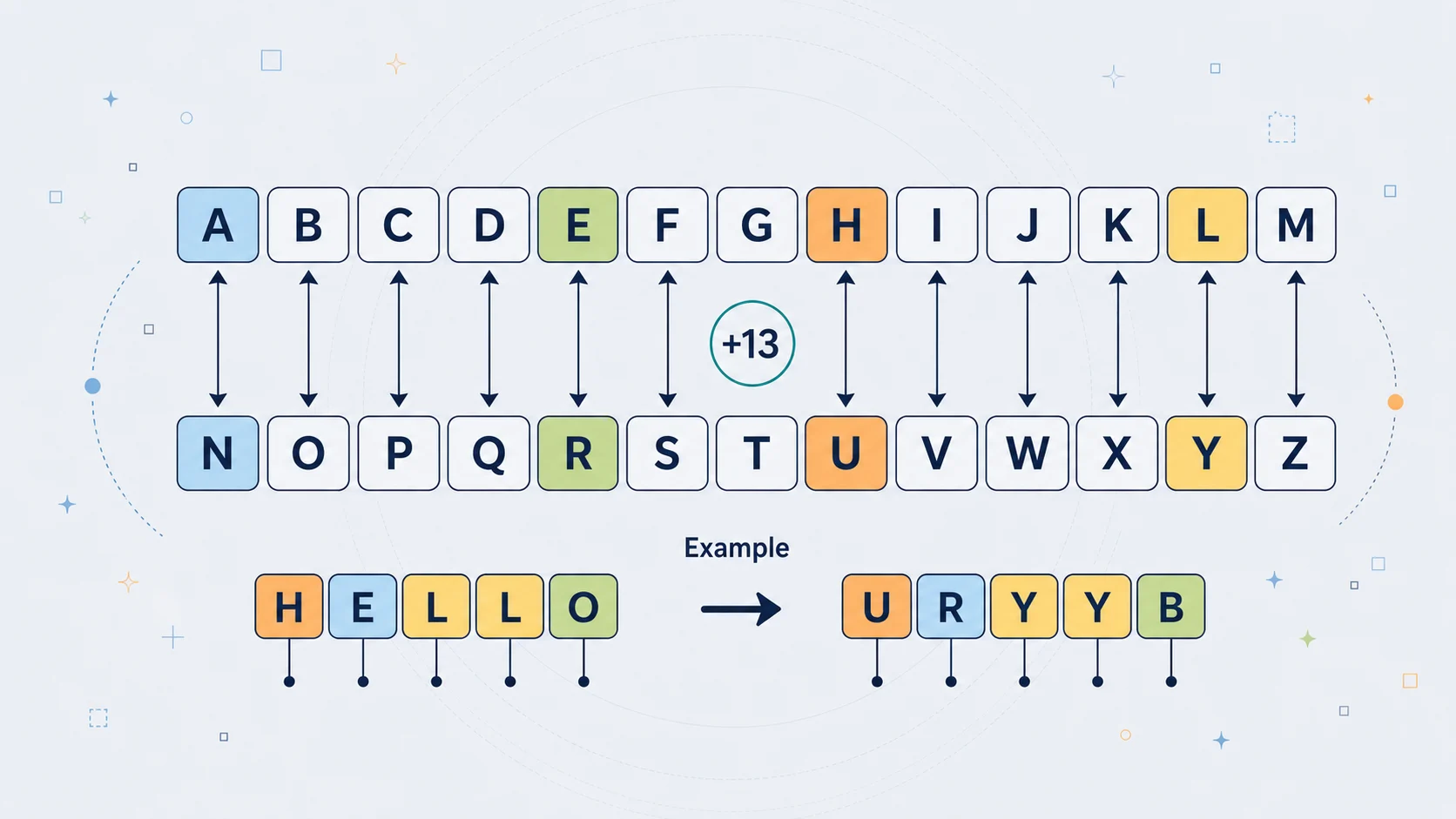
A thirteen-letter rotation that hides text from casual view but offers almost no real protection.
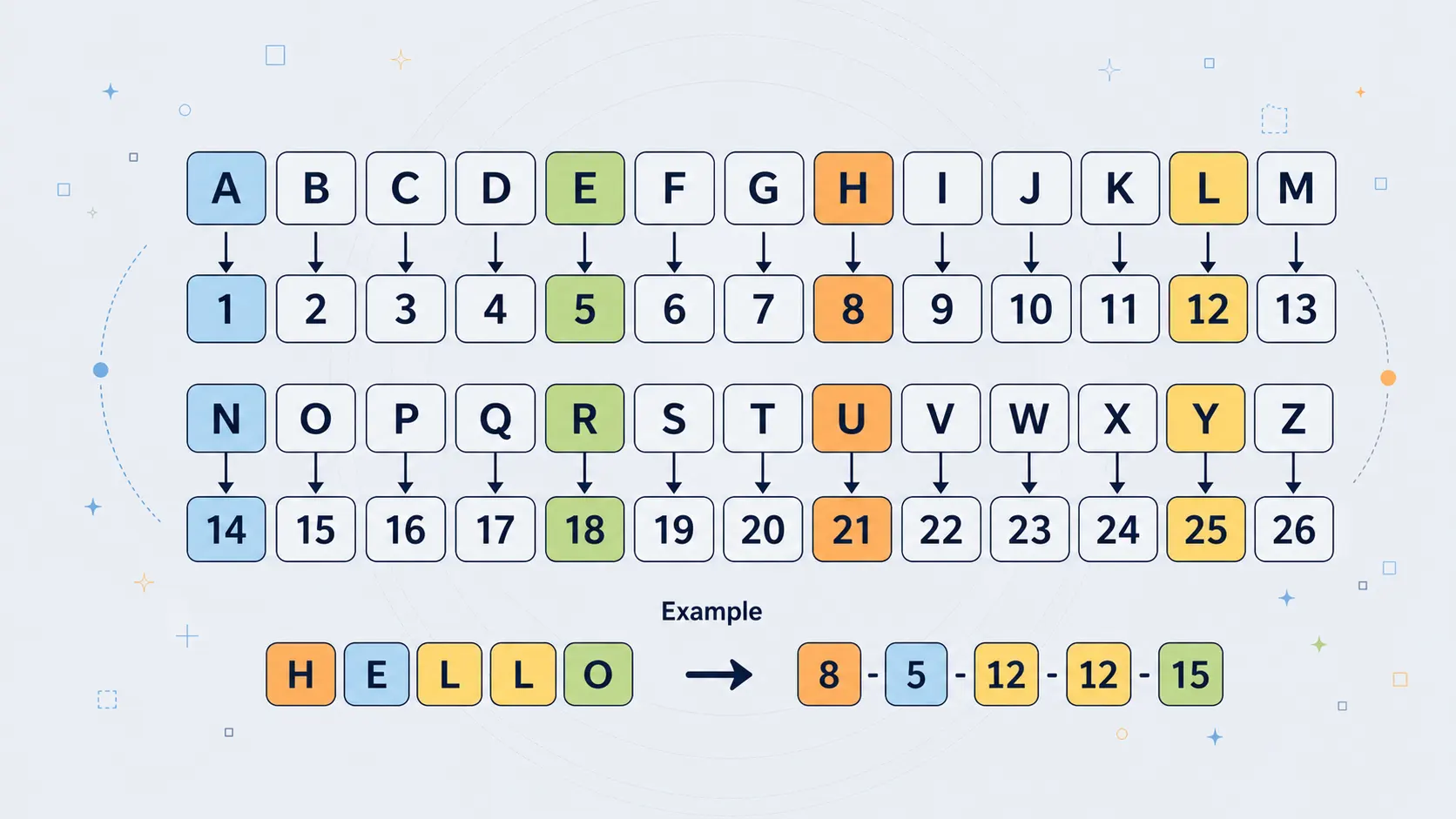
How replacing letters with their alphabet positions teaches symbolic transformation, reversibility, and the limits of simple secrecy.
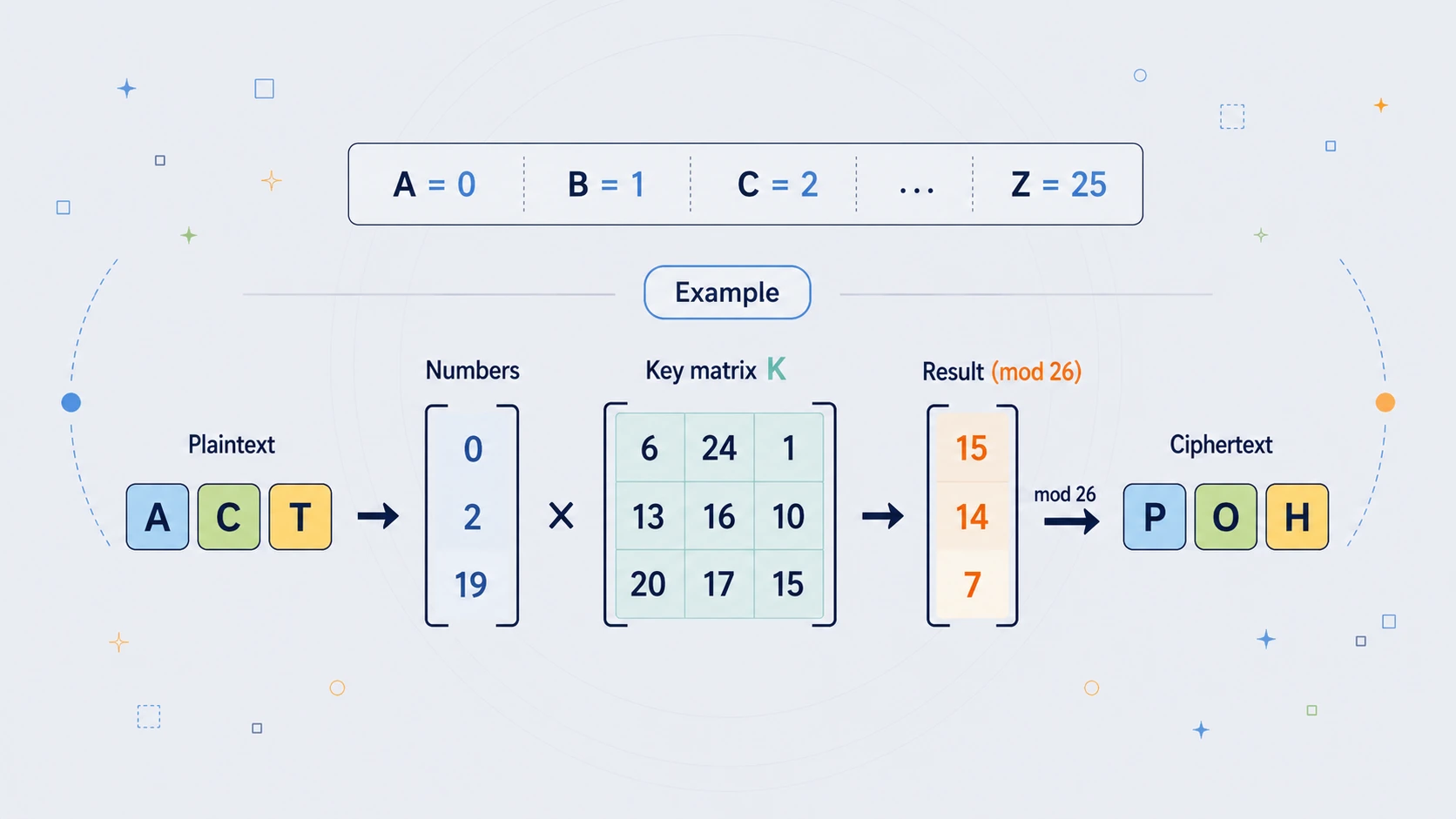
How Lester S. Hill's 1929 matrix cipher moved secret writing beyond alphabet tricks and toward the logic of modern cryptography.
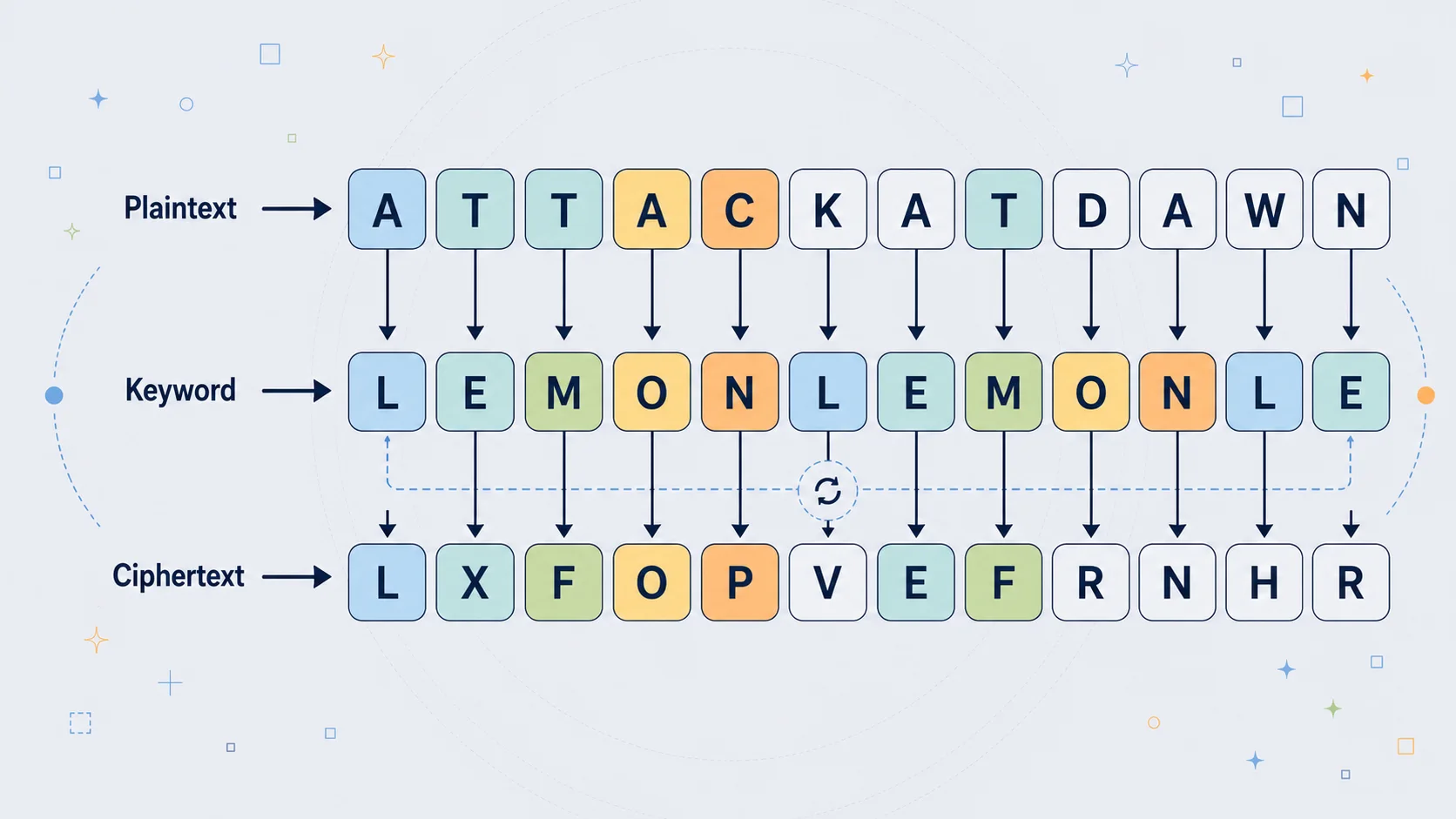
How a repeating keyword lets classical cryptography rotate among several alphabets instead of relying on one fixed substitution.
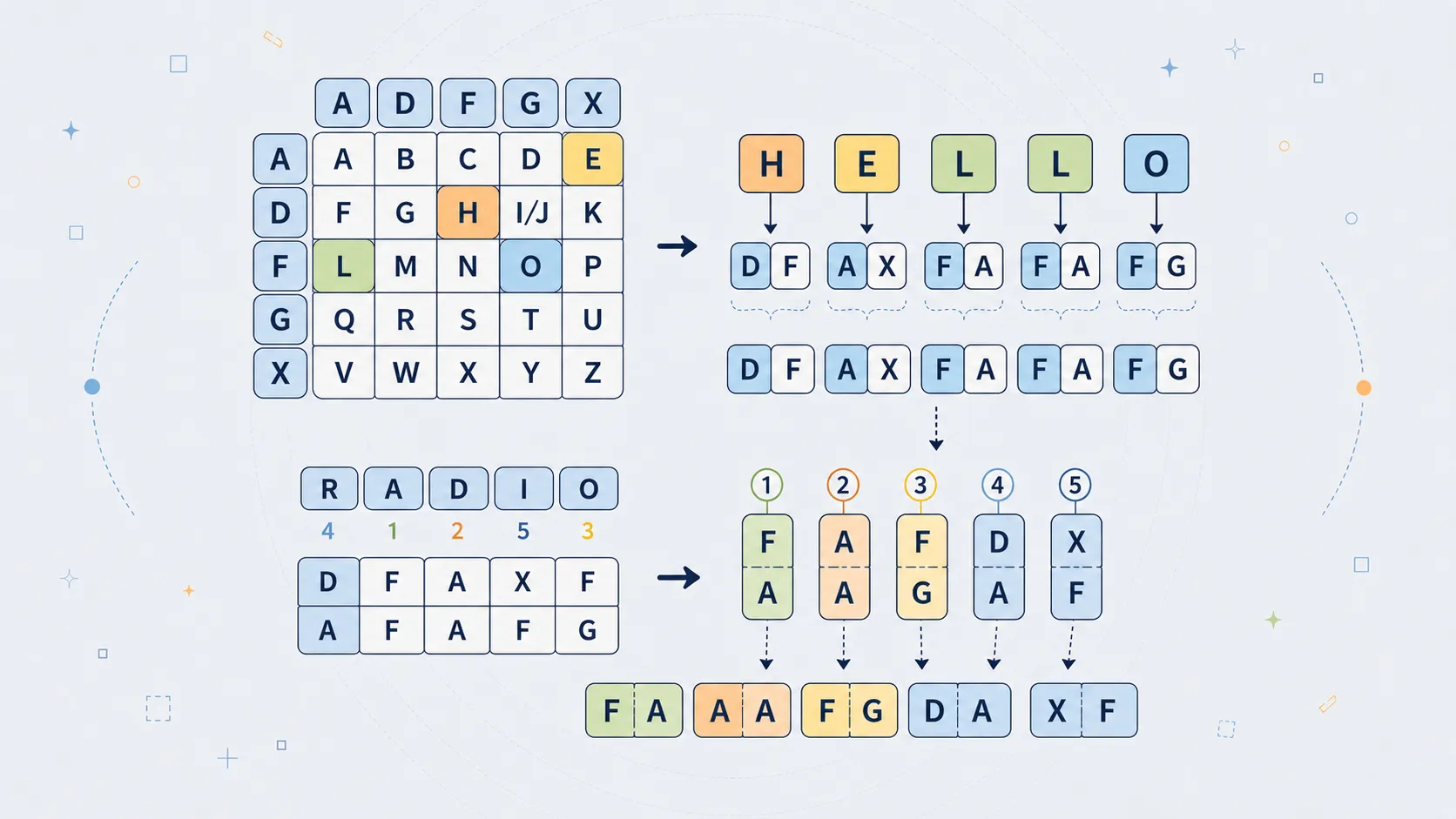
The World War I field ciphers that split characters into coordinates, scattered those coordinates across the page, and made intercepted radio traffic far harder to analyse at speed.

How dots, dashes, and disciplined timing helped build the first electric language of the modern world.
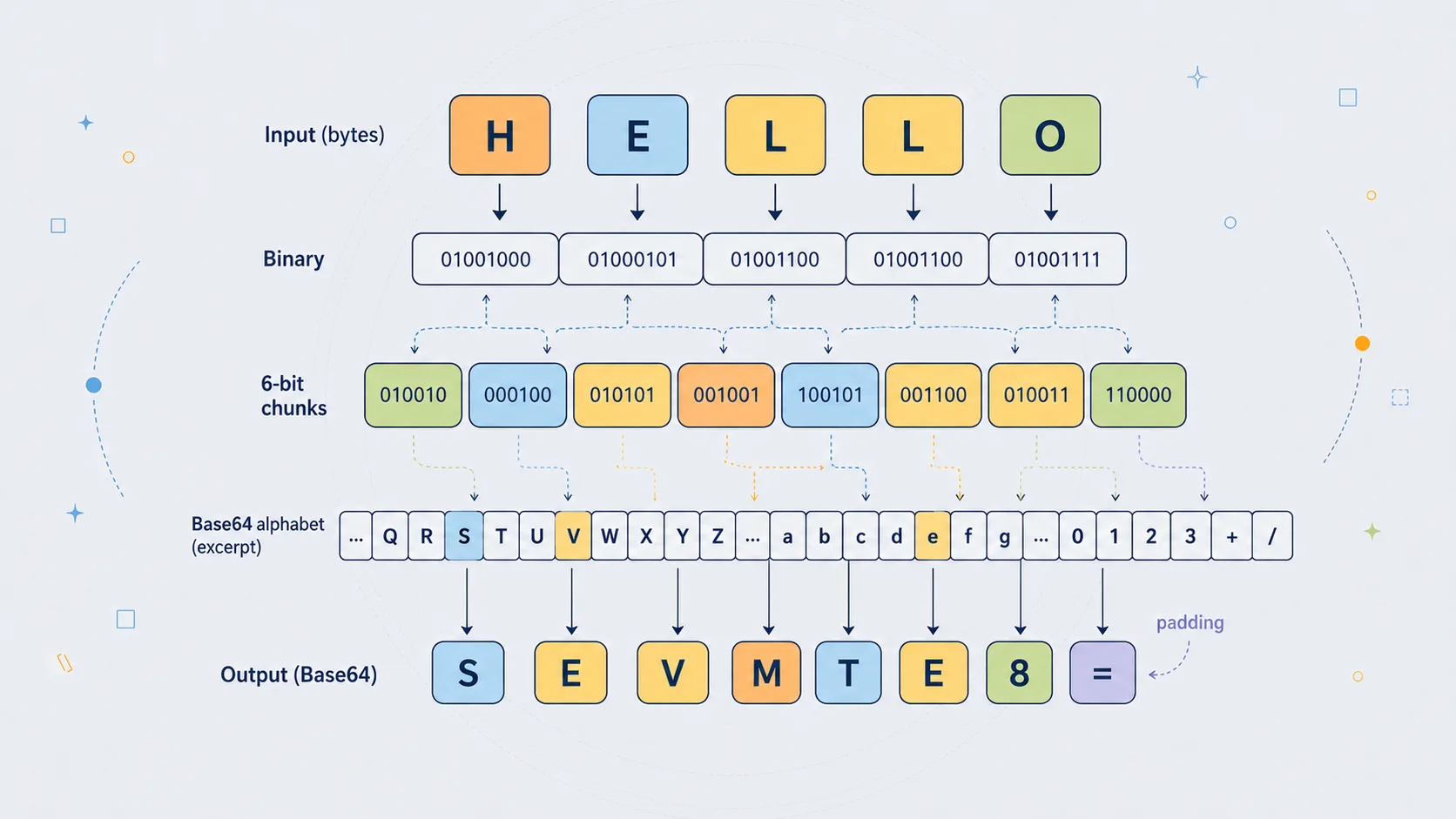
How a simple 6-bit alphabet became one of the quiet workhorses of email, the web, APIs, certificates, tokens, and modern software plumbing.
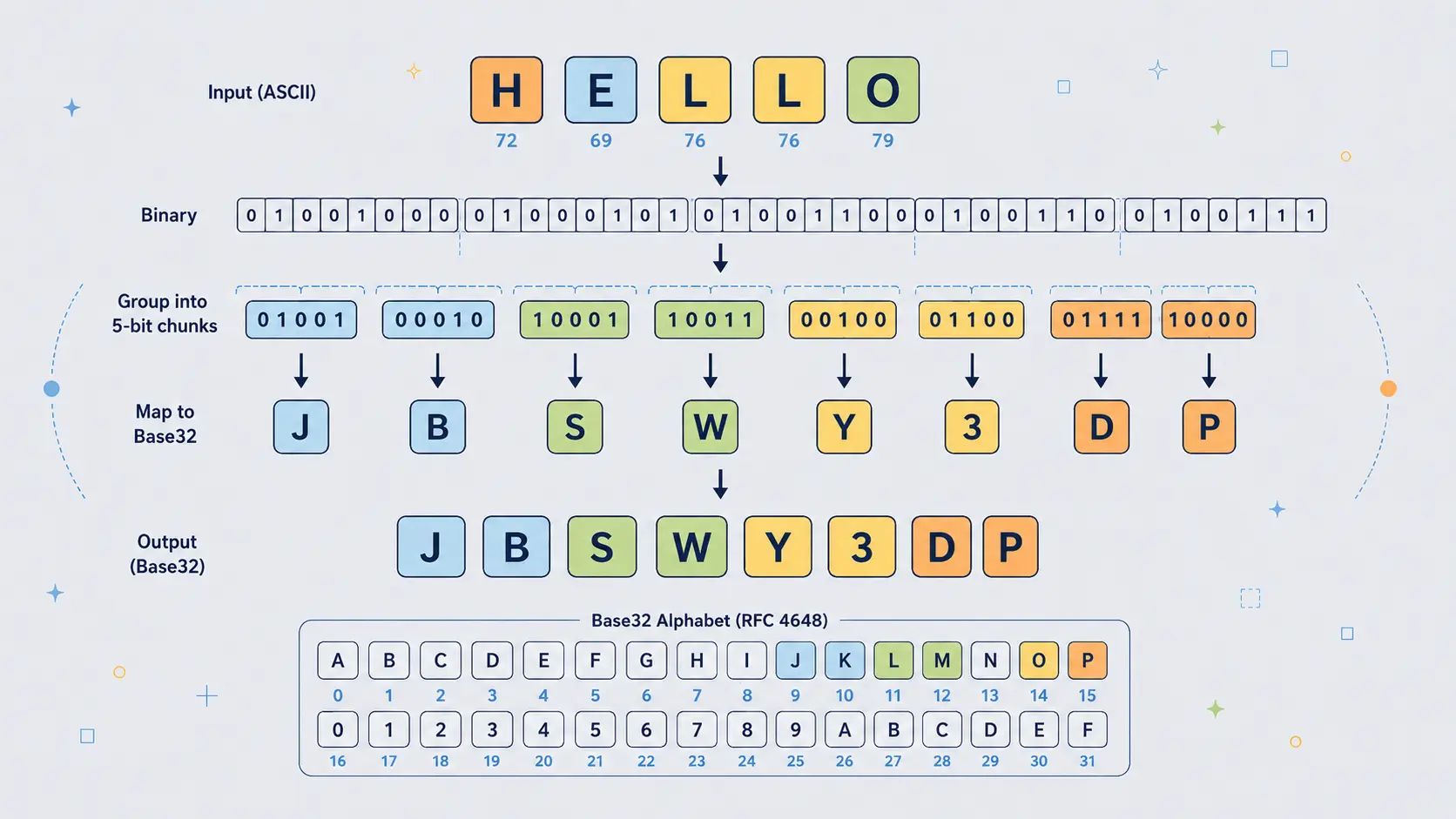
How a 5-bit alphabet became a quiet helper in authenticator apps, DNS-safe strings, recovery codes, identifiers, and text-shaped software systems.
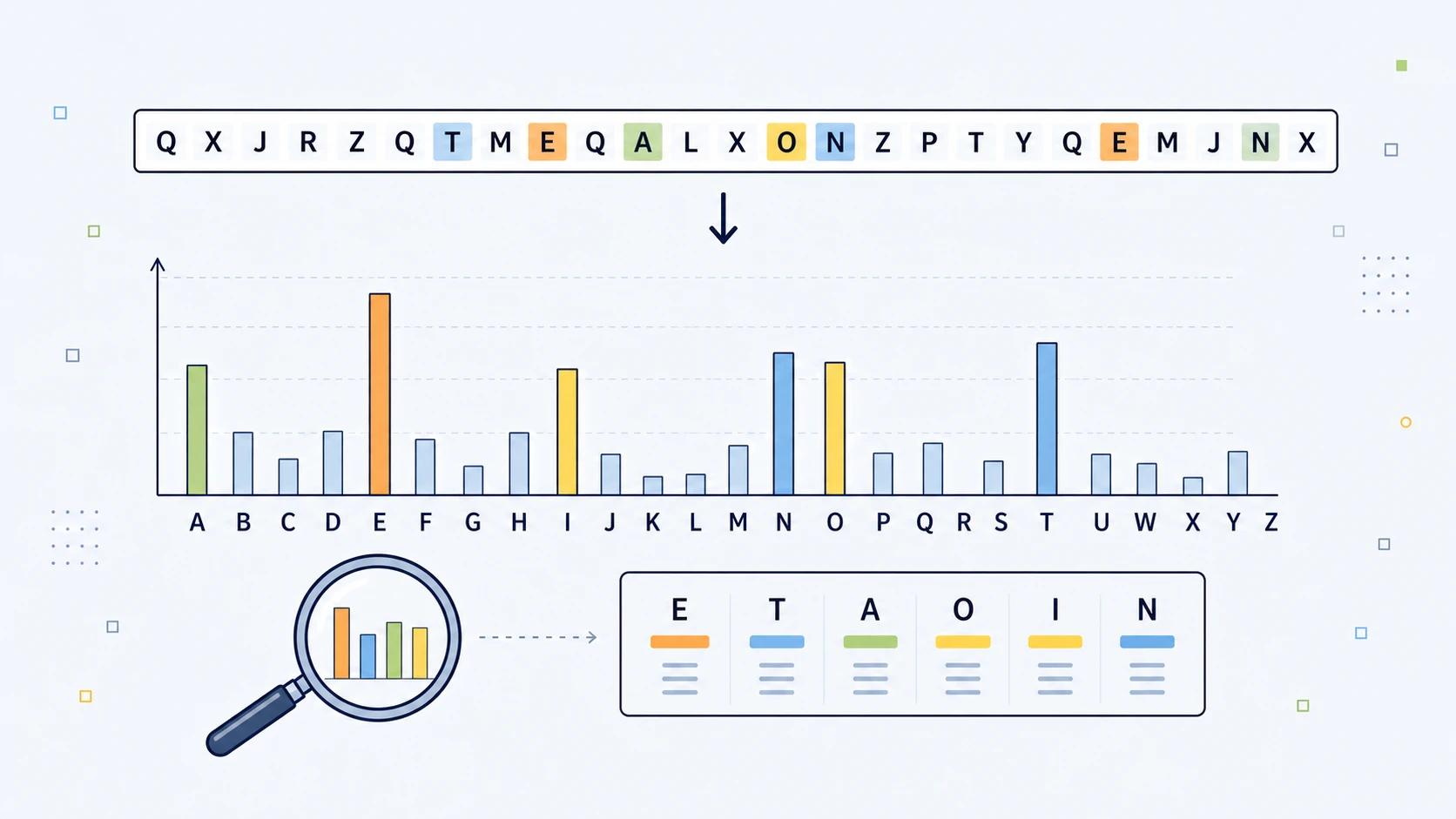
How counting letters turned cryptanalysis from educated guesswork into a science, and why weak ciphers still betray themselves through the shape of language.
Try adjusting your search or filter to find what you are looking for.
Each article pairs best with a hands-on tool. Read the guide, then try the matching cipher, encoding, or analysis tool directly in your browser.
Explore tools